
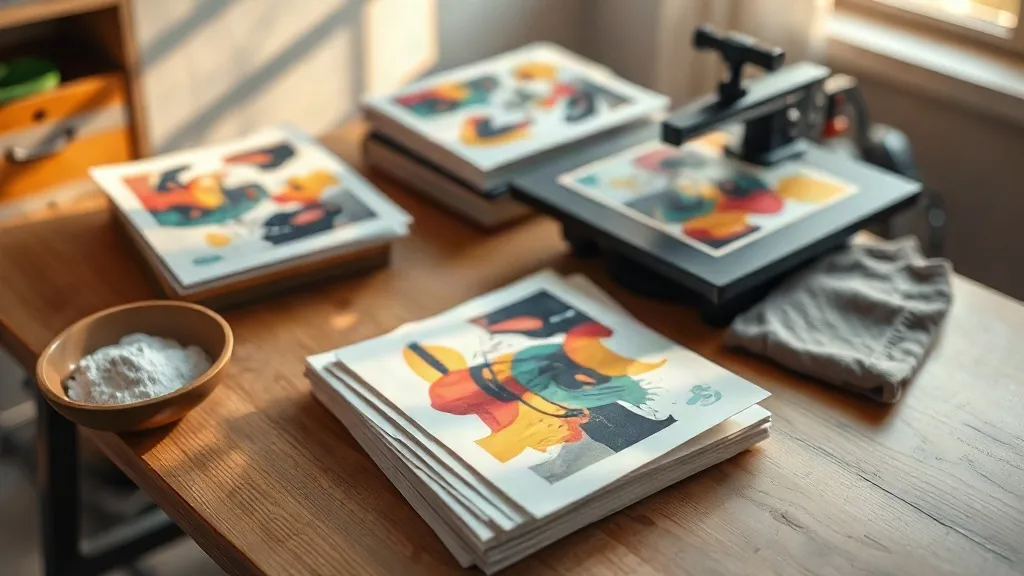
Walk into any local print shop or craft market this year and you will notice something different about the t-shirts. The colors are sharper, the details are finer, and the designs wrap around seams in ways that screen printing never managed without a fight. Much of that shift comes down to dtf transfers, a printing method that has quietly moved from industrial backrooms into home studios and small storefronts. If you have been curious about how it works, whether it is worth the switch, or simply how to avoid the wrinkled, peeling mess that gives heat transfers a bad name, this guide covers the practical side without the sales pitch.
What a DTF Transfer Actually Is
DTF stands for direct to film, and the name describes the process fairly literally. A printer lays down water-based pigment inks onto a special PET film, then applies a fine layer of hot-melt adhesive powder over the wet ink. Once the powder is cured, you have a flexible, shelf-stable transfer sheet that can be pressed onto almost any fabric with a heat press. There is no need for a separate cutting step, no weeding tiny letters out of vinyl, and no minimum order that forces you to commit to fifty shirts before you know whether the design sells.
That last point matters more than it sounds. A single dtf sheet can carry a full-color photograph, a gradient, or a design with a dozen colors, and the cost stays roughly the same. For anyone producing small batches, that flexibility changes the economics of custom apparel entirely.
Why the Method Suits Small Shops and Hobbyists
Screen printing rewards volume. The setup cost per color is significant, so the method only becomes economical once you are printing dozens of the same design. Vinyl cutting is cheap for one-off pieces but falls apart on complex artwork, and the weeding process can eat an entire evening. DTF sits in a useful middle ground: it handles intricate, full-color artwork, works on a wide range of fabrics, and scales down to a single unit without a penalty.
There is also a practical storage advantage. Cured transfers keep for months if you store them flat, away from heat and humidity. That means you can order a batch of designs, keep them in a drawer, and press them as orders come in rather than printing everything up front.
Fabrics That Work Well
Cotton is the easiest starting point, but the adhesive bonds reliably to cotton-poly blends, 100 percent polyester, canvas, and many synthetic performance fabrics. This is one of the reasons the method has spread so quickly through sportswear and team kit production, where polyester dominates and traditional plastisol inks can struggle to cure properly.
How to Judge Quality Before You Buy
Not all transfers are made equal, and the difference shows up after the first few washes rather than on the day of purchase. A few checks will save you from a disappointing batch.
- Ink coverage: Hold the sheet up to the light. Patchy areas or visibly thin spots usually mean the printer skimped on ink, and those spots will crack early.
- Powder distribution: The adhesive layer should look even and slightly matte across the entire design. Clumps or bare patches cause uneven bonding.
- Edge sharpness: Fine lines and small text should stay crisp. Blurry edges suggest the film shifted during printing.
- Film flexibility: Bend a corner gently. A good sheet flexes without the ink layer flaking away from the PET base.
If you are buying in person, ask to see a sample pressed onto fabric and then stretched. A reputable supplier will have one ready.
Pressing Without the Usual Mistakes
Most complaints about peeling and cracking trace back to the press, not the transfer. The process is straightforward once you know the variables that matter.
- Pre-press the garment. Thirty seconds of pressing removes moisture and wrinkles. Skipping this step is the single most common cause of poor adhesion.
- Set the temperature correctly. Most transfers press between 150 and 160 degrees Celsius. Too hot and the film can scorch; too cool and the adhesive never fully activates.
- Use firm, even pressure. Medium to heavy pressure is typical. If your press has a pressure gauge, aim for consistency rather than maximum force.
- Peel at the right moment. Most modern films are cold peel, meaning you wait until the sheet is cool to the touch before removing it. Peeling hot can pull the design out of shape.
- Post-press for durability. A short second press with a protective sheet over the design locks the adhesive into the weave and improves wash resistance noticeably.
Keep a notebook of the settings that work for your specific press and film brand. Small temperature differences between machines are real, and a setting log saves a lot of ruined blanks.
Care Instructions Worth Passing On
Once a garment is printed, the customer needs to know how to look after it. Wash inside out in cold or lukewarm water, avoid fabric softener on the printed area, and skip the tumble dryer or use a low setting. Ironing directly over the design is the fastest way to destroy it; press from the reverse side if needed. Passing these instructions along with the product reduces returns and builds a reputation for quality that outlasts any single sale.
Finding Reliable Prints in Your Area
Searching for dtf transfers near me usually turns up a mix of local print shops, online suppliers with fast shipping, and market sellers who press on demand. Local pickup has obvious appeal when you need a design for an event this weekend, but it is worth comparing the actual film quality rather than just the price per sheet. Ask what brand of film and powder they use, request a test press, and check whether they offer gang sheets that let you fit several designs onto one sheet to reduce waste.
Online suppliers often win on range and turnaround, especially for shops that order regularly. Whichever route you take, order a small test batch first. A single sheet pressed onto a scrap of your usual fabric tells you more than any product description.
Common Questions About DTF Transfers
How long do DTF transfers last on a shirt?
With correct pressing and sensible washing, most quality transfers hold up for the life of the garment, typically well over fifty washes. Cracking usually appears first on heavily stretched areas such as shoulders and hems, which is normal for any heat-applied decoration.
Can I press DTF transfers with a home iron?
It is possible but unreliable. A home iron cannot deliver even pressure across a large design, so adhesion tends to be patchy. A small heat press is the better investment if you plan to print more than a handful of items.
Do DTF transfers work on dark and light fabrics?
Yes. Unlike some transfer methods that require separate papers for light and dark garments, the white ink layer in a DTF print sits behind the color, so the same sheet works on both. This simplifies ordering considerably.
What is a gang sheet and should I use one?
A gang sheet packs several designs onto a single film to make better use of the printable area. If you have a batch of smaller logos or a run of varied sizes, a gang sheet lowers your cost per print and reduces film waste.
How should I store unused transfers?
Keep them flat in a cool, dry place, away from direct sunlight and heat sources. A clean folder or a sealed bag works well. Stored correctly, cured transfers remain usable for several months.