
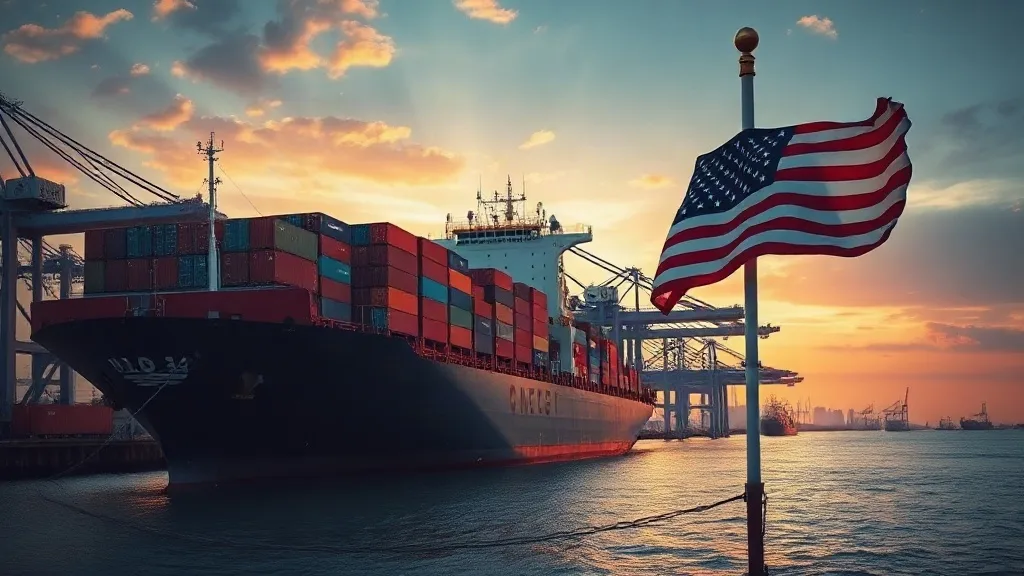
When Donald Trump announced his intention to impose fresh tariffs on a broad swath of America's trading partners, the immediate reaction was a mix of alarm and anticipation. According to reports, the former president is set to raise tariffs on China, the European Union, and more than a dozen other major economies, marking another chapter in the ongoing saga of global trade tensions. For businesses that have spent years navigating supply chain disruptions, currency fluctuations, and shifting trade rules, this latest development is more than just another headline. It is a signal that the rules of engagement may be about to change again, and those who fail to adapt could find themselves on the wrong side of the cost curve.
The Scope of the Planned Tariffs
While the exact details of the tariff package have not been finalized, the reported target list includes 16 major economies, with China and the European Union among the most prominent. This is not the first time Trump has used tariffs as a tool of economic pressure. During his previous term, he launched a series of levies on Chinese goods that escalated into a full-blown trade war, and he also imposed tariffs on steel and aluminum imports from allies and rivals alike. The difference this time is the breadth of the intended targets. By casting such a wide net, the move would represent a significant escalation in trade policy, potentially reshaping global supply chains and forcing companies to rethink their sourcing strategies.
Why Now? The Political and Economic Context
Tariffs have long been a central plank of Trump's economic agenda. He has consistently argued that high tariffs can protect American industries, reduce the trade deficit, and bring back manufacturing jobs. In the run-up to the 2024 election, he doubled down on these promises, proposing a 10% across-the-board tariff on all imports and even higher rates on Chinese goods. The reported plan to target 16 economies aligns with this rhetoric. But beyond the political messaging, there are economic motivations at play. The U.S. trade deficit remains substantial, and some policymakers believe that tariffs can be used as leverage to negotiate better terms for American exporters. However, economists are divided on whether such a broad tariff approach would achieve its intended goals or simply raise costs for consumers and businesses.
The Potential Impact on Global Trade
If implemented, these tariffs would ripple through the global economy in several ways. First, they would increase the cost of imported goods, which could fuel inflation at a time when central banks are still grappling with price stability. Second, they would likely provoke retaliatory measures from the targeted countries, escalating into a trade war that could dampen global growth. Third, they would accelerate the trend of supply chain diversification, as companies seek to avoid tariff-hit countries. For multinational corporations, the challenge will be to anticipate these shifts and adjust their operations accordingly. For smaller businesses that rely on imports, the impact could be more immediate and severe, as they often lack the resources to quickly renegotiate contracts or find alternative suppliers.
Winners and Losers
Not all sectors would be affected equally. Domestic manufacturers in protected industries, such as steel and aluminum, might benefit from reduced competition. However, industries that rely on imported components, like electronics and automotive, could face higher costs. Agricultural exporters might also suffer if retaliatory tariffs target American farm products. In the long run, the overall effect on the U.S. economy would depend on how quickly businesses and consumers adapt, and whether the tariffs lead to meaningful trade concessions from the targeted countries.
How Businesses Can Prepare
For companies with exposure to international trade, now is the time to assess vulnerabilities and build resilience. Here are some practical steps:
- Map your supply chain: Identify which of your inputs come from the targeted countries and explore alternative sources.
- Review contracts: Check for clauses that allow for price adjustments or renegotiation in the event of tariff changes.
- Diversify suppliers: Reduce reliance on any single country by qualifying suppliers in unaffected regions.
- Stay informed: Monitor policy announcements and engage with trade associations for updates.
- Scenario planning: Model the potential cost impact under different tariff scenarios and develop contingency plans.
The Bigger Picture: A Shift in Trade Policy
Trump's tariff plans are part of a broader shift away from the post-war consensus on free trade. Both Democrats and Republicans have increasingly embraced protectionist measures, albeit with different emphases. The Biden administration kept most of Trump's China tariffs in place and added new ones on strategic sectors like semiconductors. The European Union has also become more willing to use trade defense instruments. In this environment, companies must accept that tariffs are no longer a temporary disruption but a permanent feature of the landscape. The winners will be those that treat trade policy as a core strategic variable, not an afterthought.
What to Watch Next
As the details of the tariff plan emerge, several key questions will determine its impact. Which countries will be on the final list? What will the tariff rates be? Will there be exemptions for certain products? How will the targeted countries respond? And perhaps most importantly, will these tariffs be used as a negotiating tactic or as a long-term policy? The answers will shape not only the immediate business environment but also the future of global trade for years to come. For now, businesses should prepare for volatility and stay agile. The one certainty is that change is coming, and those who are ready will be better positioned to weather the storm.
Frequently Asked Questions
Which countries are included in the 16 major economies targeted by Trump's tariffs?
While the full list has not been officially confirmed, reports indicate that China and the European Union are among the targets, along with several other major trading partners. The exact composition may be subject to change as the policy is finalized.
How will these tariffs affect American consumers?
Tariffs are typically passed on to consumers in the form of higher prices. The extent of the impact will depend on which products are targeted and whether domestic alternatives are available. Essentials like electronics, clothing, and auto parts could see price increases.
Can businesses get exemptions from the tariffs?
In the past, the U.S. government has provided a process for companies to request exclusions for specific products. It is likely that a similar mechanism will be established, but the criteria and timeline are uncertain. Businesses should monitor official announcements and consider applying if eligible.
What should investors watch for in the markets?
Investors should pay attention to sectors with high exposure to international trade, such as industrials, technology, and agriculture. Currency markets may also react, particularly the Chinese yuan and the euro. Volatility is likely as the market digests the news and anticipates retaliatory measures.
Is this a done deal, or could the tariffs be avoided?
Tariffs are a policy tool that can be used as leverage in negotiations. It is possible that the threat of tariffs could lead to concessions from trading partners, averting implementation. However, given the administration's stance, businesses should prepare for the possibility that the tariffs will go into effect.